

13
Nov
Why Losing Weight After 40 Feels Different, Even When You’re Eating Healthy
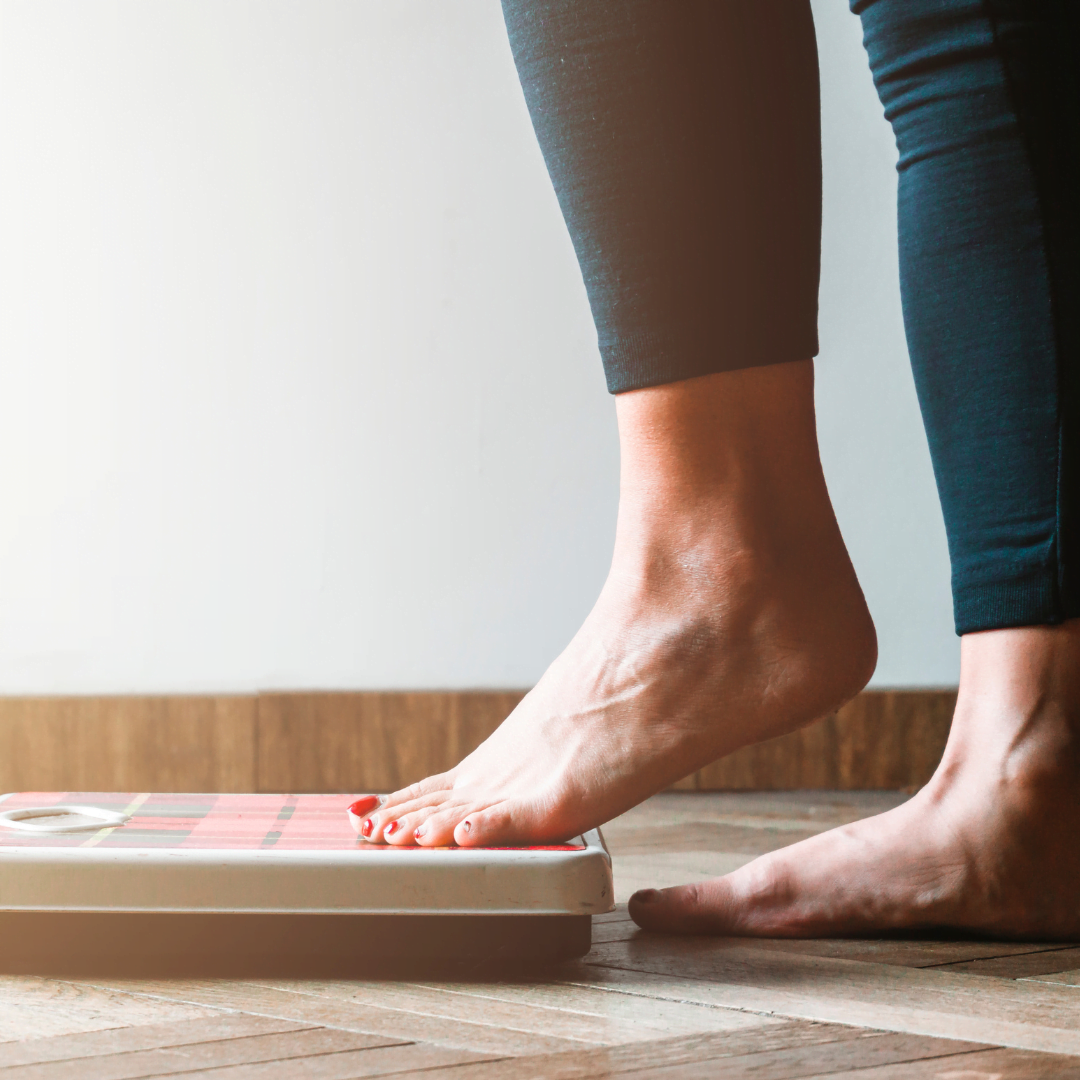
You’re eating the same foods, exercising the way you always have, and trying to maintain healthy habits.But something has changed.Your clothes are fitting differently. Weight seems to be collecting around your middle. And the routines that used to help you maintain your weight aren’t producing the same results.
So you do what many women do. You start eating less.Maybe you skip breakfast, cut carbohydrates, or add another workout to an already busy schedule. But instead of feeling better, you may find yourself frustrated, hungry, and exhausted. What worked for your body ten years ago may not be what it needs today.And there’s a reason for that.
Your body changes during midlife
During perimenopause and menopause, estrogen and progesterone levels change. These hormonal shifts can affect sleep, body-fat distribution, and how women experience their changing bodies. At the same time, muscle mass can gradually decline with age, especially without adequate protein and resistance exercise.
Muscle is important for strength, mobility, and energy expenditure. Now add real life to the equation. A demanding job. Family responsibilities. Aging parents. Interrupted sleep. Less time to prepare meals or exercise. It’s not difficult to see how multiple factors can come together and make weight management feel more challenging.This is why focusing exclusively on calories doesn’t always address the bigger picture.
What may be getting in the way?
At Nutritional Wellness Center, we look at potential barriers that may be interfering with optimal body function. When someone is struggling with weight changes, we don’t automatically assume the answer is another restrictive eating plan. We want to explore their nutritional foundation and the lifestyle factors that may be contributing.
For example, inadequate protein intake and insufficient strength training may make it more difficult to maintain muscle as we age. Poor sleep can influence appetite, food choices, and energy levels. Ongoing stress may affect eating patterns and make it harder to maintain consistent wellness habits. And digestive discomfort can lead people to unnecessarily restrict foods, sometimes making it more difficult to meet their nutritional needs. These factors don’t necessarily explain every change in weight, but they’re important areas to consider when developing a personalized wellness plan.
Why another diet may not be the solution
Many women have already tried multiple approaches before reaching out for help. Low carbohydrate diets. Intermittent fasting. Eliminating dairy. Cutting calories. Some of these approaches may be useful in certain circumstances, but none is automatically right for everyone. When the focus remains exclusively on eating less, it’s easy to overlook what the body actually needs. Adequate nourishment supports muscle maintenance, normal metabolism, and overall health.
Instead of simply asking what foods should be removed, we also want to know what may need to be improved. Are meals providing enough protein? Are there nutritional gaps? Are eating habits consistent? Is there an opportunity to support better sleep or recovery? These questions lead to a more individualized approach.
How Nutrition Response Testing® fits into our process
At Nutritional Wellness Center, Nutrition Response Testing® is used as an adjunct to our nutritional assessment process.
This non-invasive technique uses muscle responses and neurological reflex concepts to gather observations that we consider alongside the client’s history, nutritional habits, and wellness goals. The purpose is to explore possible contributing factors and guide individualized nutritional support recommendations.
Rather than prescribing the same diet or supplement routine to every woman experiencing midlife changes, we take the time to understand each person’s situation.
Our recommendations may involve targeted dietary changes, whole-food nutritional supplementation, and lifestyle guidance designed to support normal physiological function.
Nutrition Response Testing® is not used to medically diagnose hormonal conditions or determine the medical cause of weight gain. Unexplained weight changes deserve appropriate healthcare evaluation. Support the body’s changing needs A personalized nutritional program isn’t simply about what happens on the scale.
It’s about creating a foundation that supports your body during a stage of life when many things may be changing.
That includes adequate nutrition, maintaining muscle, supporting restful sleep, improving consistency, and reducing unnecessary lifestyle stressors.
It also means recognizing that your needs may change over time.
At Nutritional Wellness Center, we review progress and adjust recommendations as appropriate because an effective wellness plan should reflect the individual, not follow a rigid template. The goal is to move away from constant restriction and toward a more sustainable way of caring for your body.
There’s a better starting point than eating less If you’ve been frustrated by weight changes after forty, consider whether the problem is really that you haven’t been restrictive enough. Or whether it’s time to look more closely at your nutritional needs and the factors that may be affecting your overall wellness.
Our approach focuses on identifying potential barriers to healing and providing targeted nutritional support rather than simply recommending another diet.
Ready for a more personalized approach?
If you’re struggling with changes in your weight and want to learn more about our approach, schedule a discovery call with Nutritional Wellness Center in Ithaca, NY.
We’ll explain how our assessment process works and help you explore whether personalized nutritional support is right for you.
Helping You Feel Like Yourself Again.
Nutrition Response Testing® is a complementary, non-diagnostic assessment method. It is not intended to diagnose, treat, cure, or prevent disease or replace appropriate medical care. Nutrition Response Testing is a registered service mark owned by Dr. Freddie Ulan and used with his permission.